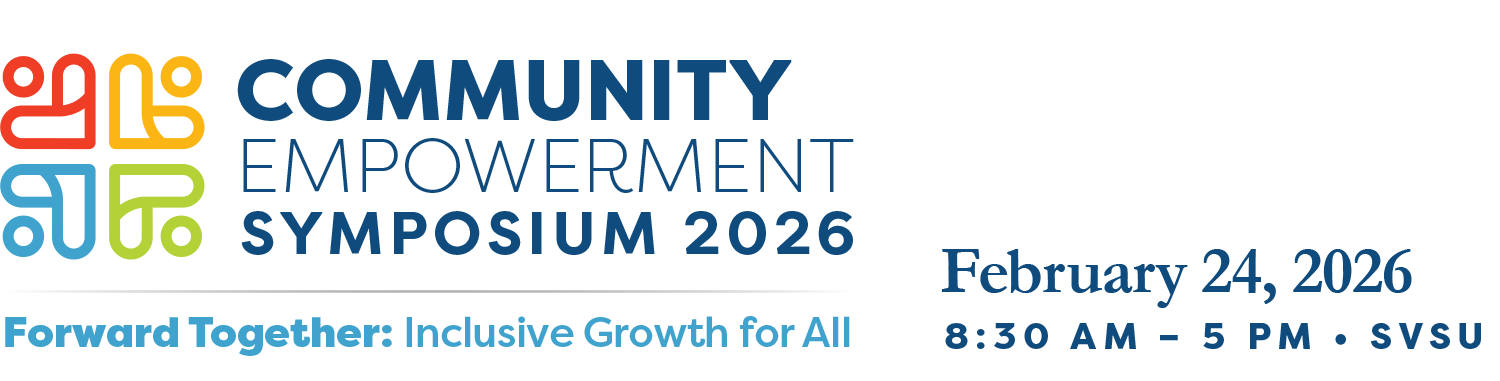
This symposium is designed to ignite lasting change. By bringing together diverse voices and perspectives, we will focus on:
- Collaborating across sectors and communities
- Building actionable plans to navigate complex challenges
- Empowering communities by addressing current needs to foster inclusion
For additional information
Contact CEIC via email.
Sponsorship opportunities available.
Symposium Details
Date: Tuesday, February 24, 2026
Location: Saginaw Valley State University Curtiss Hall • 7400 Bay Rd., University Center, Mich. 48710
Time: 8:30 a.m. – 5 p.m.
Explore 16 Exciting Workshops (See below)
Plenary Speakers (See below)
Thank you sponsors!

Featured Plenary Speakers
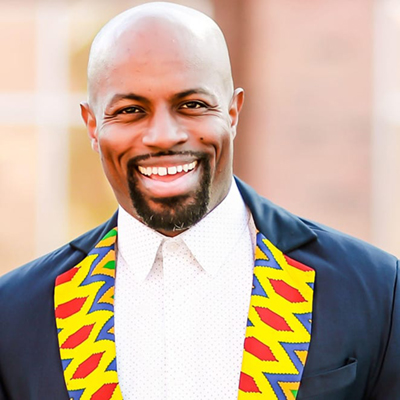
9 – 9:30 a.m. • Banquet Rooms
Forward Together Justin Jones-Fosu, CEO, Work Meaningful
Plenary Overview:
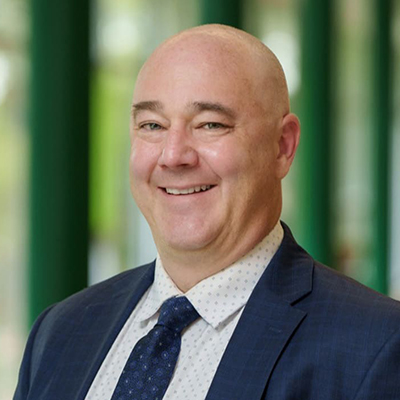
12:15 – 12:45 p.m. • Banquet Rooms
The State of DEI: Where We Are, What’s Shifting, and What Still Works Dr. Michael H. Gavin, President & CEO, Alliance for Higher Education
Concurrent Break-Out Workshops
9:40 – 10:40 a.m Workshops
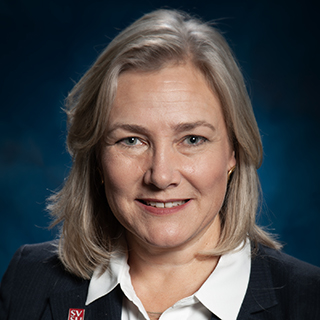
Free Expression in Public Spaces: The Legal Framework and Student Perspectives Ellen Crane, J.D., Vice President for Legal Affairs, Saginaw Valley State University
In an era of increasing polarization, the ability to speak freely across differences is more than a constitutional principle to study, it is an essential life skill to be constructively developed and practiced. Community spaces, and especially universities, can provide the essential infrastructure to achieve the constitutional ideals embodied in the concept of freedom of expression. This practical workshop applies the elements of an expressive activity policy to various scenarios to explore how institutions balance free speech principles with operational needs and community concerns.
The workshop features student voices sharing their experiences navigating controversial topics, learning through disagreement, and engaging across differences within established frameworks for public expression. Participants will learn to distinguish between content-neutral time, place, and manner restrictions versus impermissible content-based limitations. The session provides actionable guidance for educators, administrators, and community leaders who manage public spaces and navigate expression-related challenges.
Learning Outcomes
- Understand the essential legal elements for creating policies and procedures that protect expression while maintaining institutional operations and community safety
- Apply time, place, and manner frameworks to real-world scenarios involving expressive activity in public spaces
- Identify practical strategies to work with constituents within the community to create an environment conducive to public expressive activities
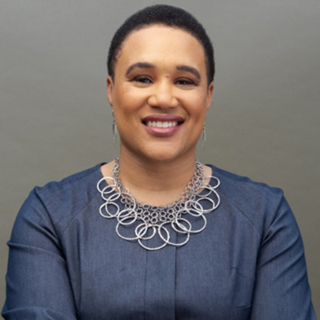
From Access to Power: Designing Community Engagement for Shared Decision-Making Dr. Michele Lewis Watts, Ph.D. ,She Equity Officer, Woods & Watts Effect
Explore and examine the difference between community “engagement” and genuine power-sharing. Participants will examine common surface-level engagement practices, identify where decision-making authority truly resides, and learn practical frameworks for shifting from consultation to co-governance. Learn to elevate community voice, accountability, and shared leadership with concrete tools and strategies to support equitable and inclusive growth.
Learning Outcomes
Coming soon
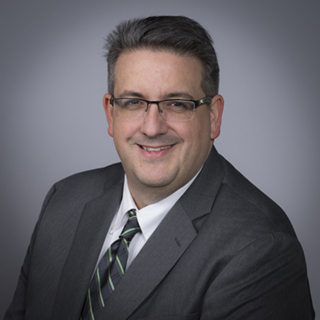
Making Change Work through Inclusive Planning Kevin Britton, Data & Analytics Leader, Hemlock Semiconductor
Effective change doesn’t happen by accident; it requires planning that scales with complexity and respects community voice. This interactive workshop maps the change journey—from Awareness to Understanding, Engagement, and Ownership—and explores how inclusive planning can turn good intentions into lasting impact. Participants will learn practical, adaptable tools for tailoring communication to diverse audiences, anticipating resistance in ways that honor lived experience, and creating conditions for shared ownership so change is sustained and locally led.
Learning Outcomes
By the end of the workshop, participants will:
- Examine the human journey of change and its implications for change leaders
- Provide strategies for understanding change constituencies and anticipating sources of resistance
- Explore how to adapt change management practices based on change complexity and constituent needs
- Identify ways to create conditions for shared ownership and sustainability
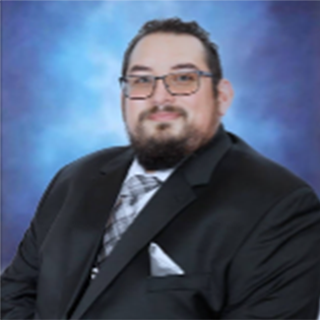
Bridging the Gap: Mental Health, Inclusion, and Understanding Bias Angel Gomez, Clinical Social Worker, Community Organizer, and Activist Affiliated with McDowell Healing Arts Center, Mexican American Council, Saginaw LLEAD, and the Latino Caucus
This session explores how mental health intersects with inclusion, exclusion, and implicit bias. Participants will engage in reflective and interactive exercises to understand how biases affect interactions, create feelings of exclusion, and impact mental well-being. Attendees will leave with actionable strategies to foster more inclusive environments in workplaces, schools, and communities.
Learning Outcomes
By the end of the workshop, participants will:
- Define inclusion, exclusion, and implicit bias in the context of mental health
- Identify ways implicit bias manifests in interpersonal and organizational settings
- Reflect on personal experiences of inclusion and exclusion
- Develop practical strategies to create more inclusive and mentally healthy spaces
10:45 – 11:45 a.m Workshops
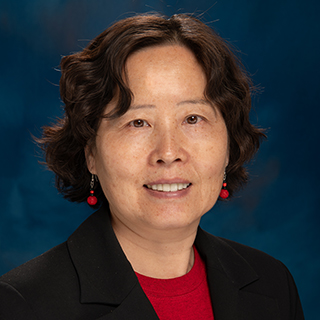
Building Bridges: SVSU International Cardinal Experiences and Success Dr. Alice Yang, Ph.D. Director of the Office of International Programs and Senior International Officer Saginaw Valley State University
A facilitated panel discussion featuring SVSU international students Gabriel Bartholomay from Brazil, Computer Science; Esther Gariba from Ghana, M.S. in Computer Science and Information Systems; and Ankit Sanjel from Nepal, Computer Science
International students diversify campuses and enrich the global learning environment for both the university and local communities. Many serve as cultural ambassadors, building bridges for mutual understanding. This session provides an overview of SVSU’s international student services and campus internationalization efforts. Centering the lived experiences of international students, it offers actionable strategies for moving forward together to create more inclusive and supportive learning environments. Participants will gain insight into systemic barriers, campus climate, and practical strategies to foster belonging and student success.
Learning Outcomes
By the end of this workshop, participants will be able to:
- Understand SVSU’s international student services and campus internationalization
- Identify academic, cultural, and systemic challenges faced by international students
- Apply inclusive and forward-thinking strategies to better support international students’ sense of belonging and mutual understanding
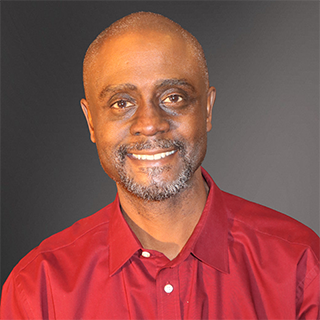
Have a Great Mental Health Day! Cassen Gates, LPC, NCC, EMDR, Certified Therapist
“Have a Great Mental Health Day!” is a practical, strengths-based wellness presentation focused on simple, everyday behaviors that support emotional balance, stress regulation, and overall functioning. Rather than focusing on crisis or pathology, this session highlights small, sustainable self-care habits that individuals can integrate into daily life to improve mood, concentration, energy, and resilience.
Participants will explore evidence-informed mental health practices that promote well-being, normalize help-seeking, and reinforce the idea that mental health care is a daily practice—not just something addressed during difficult moments.
Learning Outcomes
By the end of this workshop, participants will:
- Increase Awareness: Demonstrate increased awareness of how daily habits influence mental, emotional, and physical well-being
- Apply Practical Strategies: Identify at least three self-care behaviors they can realistically incorporate into their daily or weekly routine
- Strengthen Help-Seeking Attitudes: Exhibit reduced stigma and increased comfort with accessing professional and community mental health resources when needed
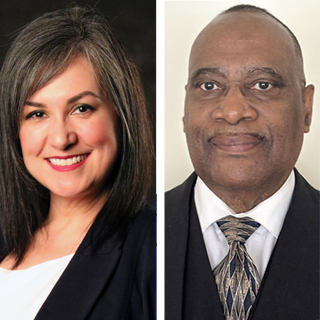
Empowered: Moving Forward to Protect Your Rights Marcelina Treviño, J.D., Director of Enforcement, Michigan Department of Civil Rights and Terry Pruitt, President, NAACP, Saginaw Branch
Learning Outcomes
- Understand how the Michigan Department of Civil Rights is continuing enforcement of the Elliott-Larsen Civil Rights Act within the current political and regulatory environment.
- Examine emerging national policy developments, including Project 2025, and their potential impact on civil rights and anti-discrimination protections.
- Identify implications for employers, educational institutions, and community organizations navigating changing compliance and equity expectations.
- • Strengthen awareness of advocacy, engagement, and leadership strategies that support the protection of civil rights at the local and state level.
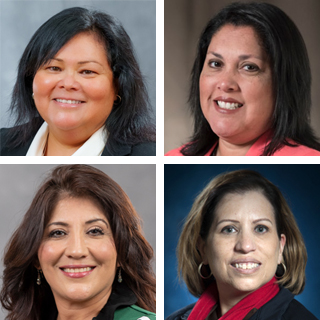
El Camino (Pathways): Community-Driven Strategies for Advancing Latino Student Success Panel discussion
This workshop presents El Camino (Pathways), a participatory action research initiative developed by Delta College in partnership with Latino community members in Saginaw, Michigan. Guided by a task force composed of community leaders and college administrators, El Camino was created to identify and address opportunity gaps that have historically impacted Latino students’ access to, persistence in, and completion of post-secondary education.
Participants will learn how collaborative, trust-based partnerships between higher education institutions and community stakeholders can uncover systemic barriers, strengthen relationships, and co-create culturally responsive solutions. The session will highlight strategies focused on building trust, creating safe and inclusive spaces, implementing targeted recruitment initiatives, and improving retention and graduation outcomes for Latino students.
Learning Outcomes
By the conclusion of this workshop, participants will:
- Utilize participatory action research to engage community members as partners in identifying barriers and designing equitable educational pathways
- Apply trust-building and relationship-centered strategies to strengthen engagement with Latino communities
- Develop accessible, targeted recruitment approaches that support entry into post-secondary education
- Identify effective retention and completion practices that contribute to successful Latino student outcomes
1 – 1:50 p.m Workshops
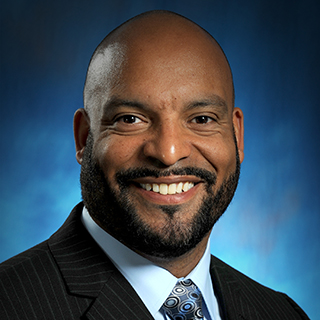
Nothing About Us Without Us: Embedding Disability Inclusion in Everyday Practice Dr. Shawn Wilson, Ed.D., Director Accessibility Resources and Accommodations, Saginaw Valley State University
This interactive roundtable session centers on the Americans with Disabilities Act (ADA) as a foundational civil rights framework and a practical tool for advancing inclusive growth across communities. Rather than focusing on technical compliance or legal requirements, the session emphasizes intentional planning, shared responsibility, and everyday decision-making that takes people with disabilities into account from the outset.
Learning Outcomes
By the end of this workshop, participants will:
- Explain the purpose of the ADA as a civil rights framework that supports participation, equity, and economic opportunity, not just legal compliance
- Commit to at least one actionable step their organization or business can take to advance disability inclusion
- Recognize shared responsibility for access across public, private, nonprofit, and educational spaces
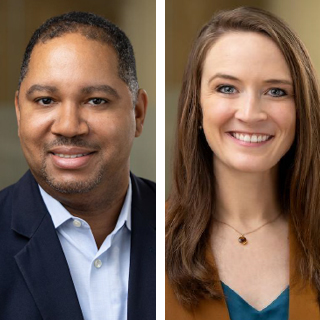
Rebuilding Trust Where It Has Been Broken Kyle McCree, Director of Community Affairs, Consumers Energy and Jordan Walker, Manager of Diversity, Equity and Inclusion, Consumers Energy
This workshop shares the design and implementation of Consumers Energy’s Energizing Equity Series; an initiative built on meeting customers in their communities and listening first to understand lived experiences. Through intentional, community-based engagement, Consumers Energy worked to better understand the needs of ALICE and marginalized customers while taking deliberate steps to rebuild trust in communities where relationships had been strained.
The session explores how insights gained through this listening led to tangible affordability outcomes, including a shift toward pairing traditional energy assistance with energy reduction strategies. By focusing on both immediate support and long-term energy cost reduction, the Energizing Equity Series demonstrates how trust centered engagement can drive more sustainable, equitable solutions.
Learning Outcomes
- Describe how community centered listening and meeting people where they are can rebuild trust with ALICE and marginalized customers.
- Distinguish between energy assistance and energy reduction strategies and explain how combining both supports long term affordability.
- Apply key elements of the Energizing Equity Series model to their own community engagement or affordability focused initiatives.

Understanding and Using Privilege and Power to Support Positive Change Chris DeEulis, Director of Belonging, Equity, Diversity, and Inclusion, Delta College
In this session we’ll explore social structures of privilege and marginalization. In an engaged dialogue format, we’ll discuss the ways that we can leverage our identities to support positive change in our institutions and communities. Participants will leave with ways to think about themselves and their communities in a critical way to align values and action.
Learning Outcomes
- Discuss social identities and their impacts
- Critically analyze their values and actions
- Explore systems of privilege and marginalization
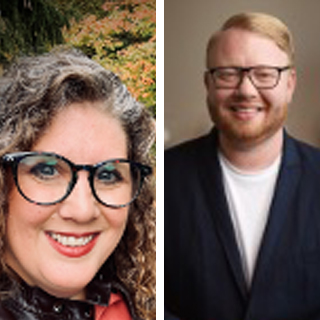
From Surviving to Thriving: LGBTQ+ Patient Advocacy in Action Dr. Malynnda A. Stewart, PhD, BCPA CEO, Conflict Mediation Consultant, Patient Advocate Health Communication Educator, Compassionate Navigation, LLC and Scott Ellis, Executive Director, Great Lakes Bay Pride
Many LGBTQ+ individuals have learned to simply survive healthcare encounters—getting in, getting out, minimizing harm. But what if we shifted from survival mode to empowerment? This session explores patient advocacy as a critical tool for LGBTQ+ health equity, examining how effective communication, conflict mediation, and community support can transform healthcare experiences. We’ll discuss navigating misgendering and deadnaming, addressing treatment disparities, managing family conflict around care decisions, and building stronger bridges between LGBTQ+ patients and providers. Participants will leave with practical skills and community connections to advocate more effectively for themselves and others.
Learning Outcomes
By the end of this workshop, participants will:
- Identify common barriers LGBTQ+ individuals face in healthcare settings and explain how patient advocacy supports health equity
- Apply practical communication and conflict‑mediation strategies to address challenges such as misgendering, deadnaming, treatment disparities, and family conflict around care decisions
- Leverage community resources and relationships to strengthen advocacy efforts for themselves and others within healthcare systems
2 – 2:55 p.m Workshops
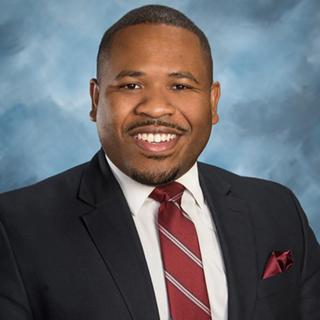
The Identity Architecture: Elevating Youth Voice in the College Transition George Copeland, Assistant Director for Cardinal Partnerships, Saginaw Valley State University
The transition from high school to college is often treated as a series of administrative hurdles—financial aid, enrollment, and orientation. But for the student, it is a profound identity shift. In this interactive session, George Copeland of the SVSU Cardinal Partnership Program challenges the “compliance-first” model of student support. Discover how to move beyond simple retention and toward life design, where students are treated as co-architects of their college journey.
Drawing from the Cardinal Partnership’s four-year leadership scaffold, this workshop provides a blueprint for building agency, normalizing uncertainty, and reframing leadership as a practice rather than a title. Whether you are in higher ed, the nonprofit sector, or corporate social responsibility, you will leave with practical tools to move from “doing for” students to “designing with” them.
Learning Outcomes
By the end of this workshop, participants will:
- Identify the “Charter Cardinal Model” Core: Understand how our four-year scholarship scaffold integrates identity work and leadership training into the standard college transition
- Move from Support to Partnership: Learn practical techniques we use to shift students from passive participants to active “life designers” and program co-creators
- Replicate Peer & Cohort Strategies: Gain insights into our near-peer mentoring and cohort models that build immediate belonging and reduce isolation for first-generation students
- Build Cross-Sector Bridges: Apply our framework to connect education, nonprofit, and corporate partners and create a continuous support ecosystem for students
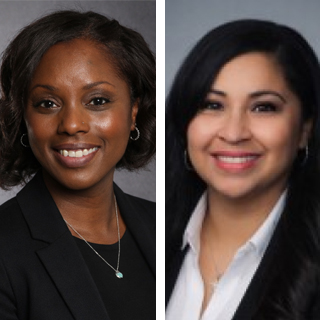
From Disruption to Direction: Communicating Through Calm & Crisis Wendy Harness, Internal Communications Leader, Hemlock Semiconductor and Raquel Ledesma Pérez, Community Affairs Leader, Hemlock Semiconductor
Crises – whether economic, organizational, or community based – are moments when trust is tested, inequities are exposed, and momentum can either stall or accelerate. This session explores how inclusive, prepared crisis communications support economic resilience, community trust, and sustained growth. Attendees will leave with practical tools to communicate clearly, equitably, and confidently when it matters most.
Learning Outcomes
- Understand how crisis communications directly impacts equity, trust, and participation
- Identify common communication breakdowns that occur during disruption
- Apply inclusive crisis communication principles to their own organizations
- Begin building a “ready, not reactive” crisis communications mindset
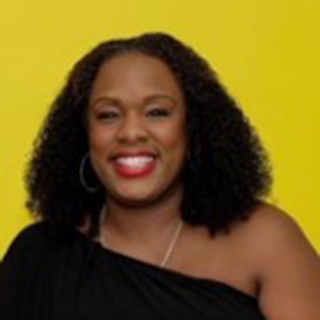
Solutions to Community Problems Come from Our Diversity Dr. Delicia Pruitt, M.D., Medical Director, Saginaw County Health Department and Medical Director of Community and Population Health, Central Michigan Medical Educational Partners (CMEP)
Communities face complex health and social challenges that cannot be solved by a single organization or perspective. This interactive workshop explores how community efficacy, diversity, and social capital can drive meaningful and sustainable solutions to shared health concerns. Participants will learn about current initiatives underway in the community and engage in facilitated small‑group discussions to generate practical, community‑informed solutions to key health issues, including obesity and chronic disease, maternal and infant health, community health equity, and behavioral and substance health.
Learning Outcomes
By the end of this workshop, participants will:
- Explain the role of community efficacy and diversity in addressing complex community problems
- Describe how social capital strengthens collaboration and improves health outcomes
- Identify current community‑based efforts addressing priority health issues
- Develop and share actionable solution ideas through collaborative group work
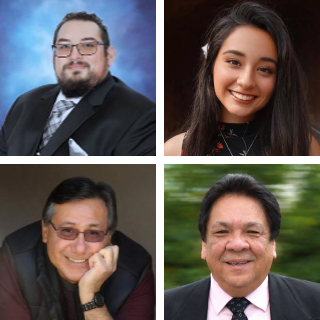
Voices of Change: Intergenerational Cultural Dialogue – Youth Leading the Way Panel Discussion
This session examines cultural understanding across generations through the experiences of Latino/Hispanic families navigating multiple migration journeys. Focusing on the impact of two migration experiences, the session explores how identity, belonging, and adaptation evolve across generations, distinguishing between assimilation, the expectation to abandon cultural identity, and integration, which supports cultural continuity alongside civic participation.
Centering youth leadership, the workshop highlights how younger generations serve as cultural bridge-builders, guiding families and institutions toward integration rather than assimilation. Participants will engage in dialogue and reflection to better understand intergenerational dynamics, cultural resilience, and inclusive practices that support community well-being and belonging.
Learning Outcomes
- Analyze how historical and contemporary experiences of prejudice shape identity and inspire the celebration of cultural uniqueness.
- Develop skills for self-advocacy and professional visibility, recognizing that advancement involves more than effort alone.
- Examine the cognitive, social, and professional benefits of bilingualism and multilingual competence in personal and community contexts.
- Apply principles of integration to organize and navigate cultural, social, and community resources while honoring one’s heritage.
3 - 4:30 p.m. • Community Workshop • Banquet Rooms
Community Workshop: Stop Chasing, Start Creating Justin Jones-Fosu, CEO, Work Meaningful
Learning Outcomes
By the end of this workshop, participants will:
- Apply the Meaning Journey Model™ to shift from reactive patterns to intentional performance across Mindset, Momentum, and Mastery.
- Identify personal and organizational “chasing” behaviors that undermine clarity, engagement, and sustainable results.
- Develop a personalized #67 statement that anchors values, guides decisions, and reinforces long-term commitment.